· Foida Team · Outdoor Gear · 3 min read
How To Choose The Best Outdoor Blanket?
Choosing the right outdoor blanket can make your outdoor activities more comfortable and enjoyable. Consider material, size, insulation, portability, and ease of cleaning.
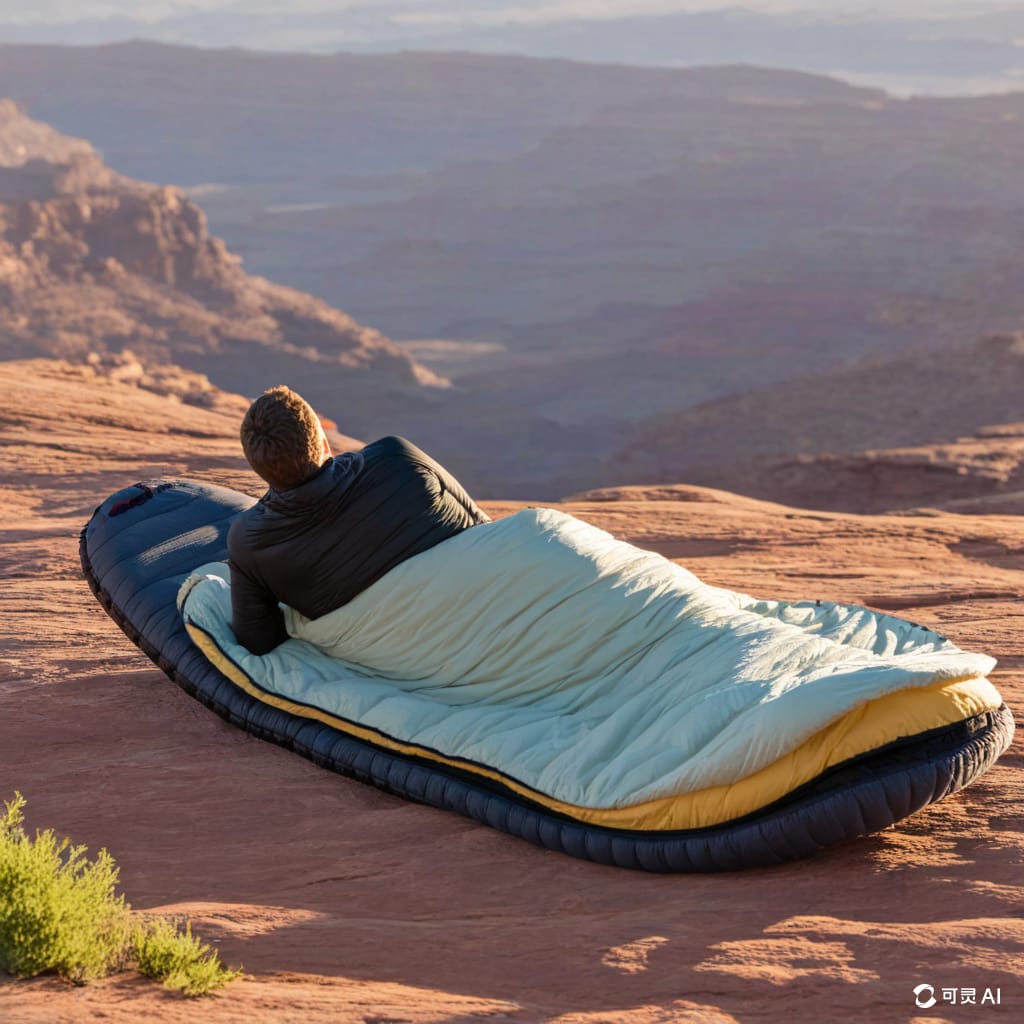
Choosing the best outdoor blanket enhances any adventure — from beach days and park picnics to mountain camping and outdoor concerts. The right camping blanket balances comfort, durability, and portability. Here’s everything to consider.
1. Outdoor Blanket Material
Waterproof and windproof fabrics like polyester, nylon, and treated fleece keep you dry on damp grass or sandy beaches. The outer layer should resist moisture and block wind while the inner lining stays soft against your skin. Look for durable fabrics with tear-resistant construction for rocky or rough terrain.
Softness and comfort — Fleece and microfiber linings offer cozy warmth without weight. For chilly evenings, a fleece blanket provides insulation while remaining packable.
2. Blanket Size and Coverage
Outdoor blankets range from compact 120x150 cm throw sizes to generous 200x200 cm family-sized options. Choose larger dimensions for group seating or picnics where you need full ground coverage. Smaller blankets are more portable for solo hikers.
3. Insulation and Warmth
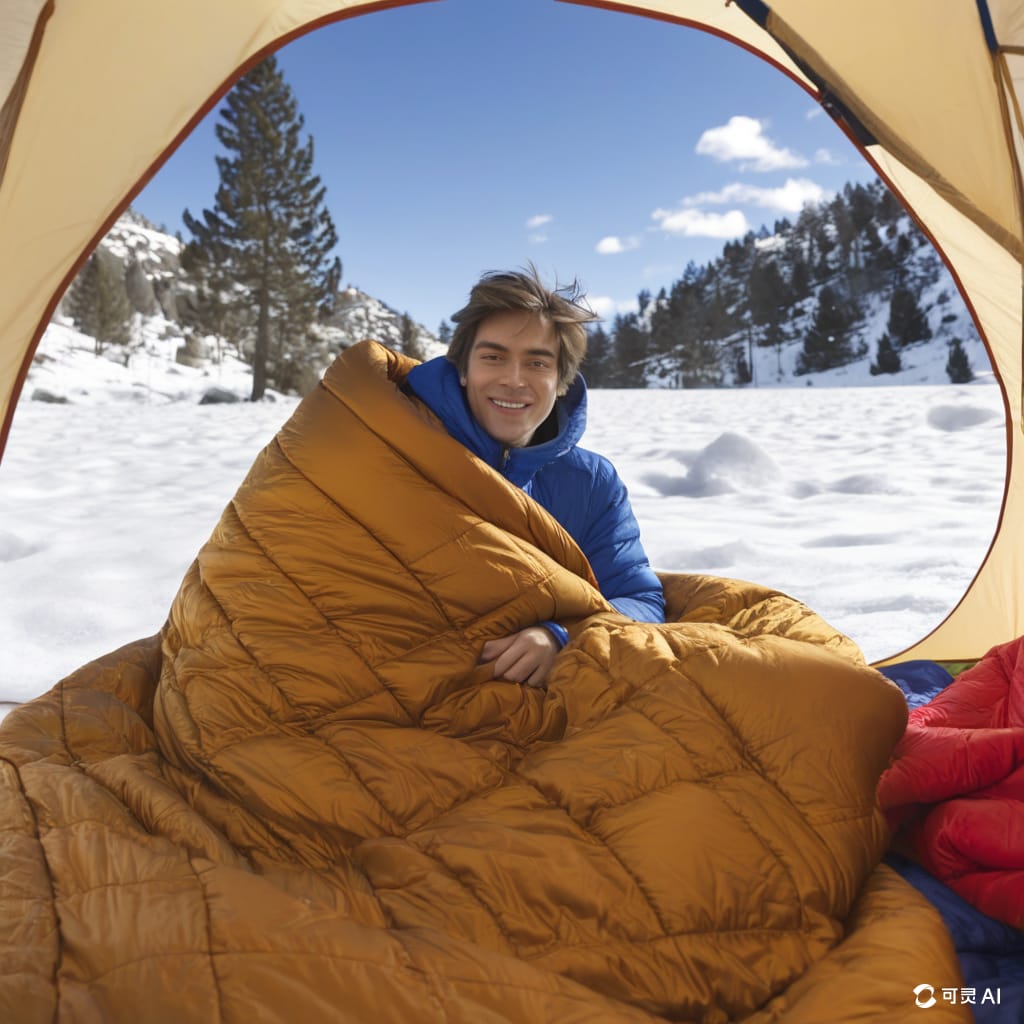
For cold-weather camping, choose a blanket with synthetic insulation or thick fleece padding. Heavier outdoor blankets provide better warmth for stationary use like campfire lounging or stargazing. For warmer conditions, a lightweight throw or woven blanket offers comfort without overheating.
4. Portability and Packability
Carry systems — Look for blankets with integrated carry bags, stuff sacks, or compression straps. Some designs include shoulder straps for hands-free carrying on hikes.
Weight — Ultralight backpacking blankets weigh under 500g for minimalist packing. Family picnic blankets can weigh 1-2 kg for added size and durability.
5. Ease of Cleaning
Machine washable outdoor blankets are easiest to maintain after sandy or muddy outings. Check care instructions — some waterproof blankets require gentle cycles or spot cleaning. Quick-drying materials reduce downtime between uses.
6. Additional Blanket Features
- Sandproof design — Special weaves that release sand easily — perfect for beach blankets
- Multi-purpose use — Convertible designs that function as ground cover, shade canopy, seat cover, or even a poncho
- Corner loops and stakes — Secure the blanket on windy beaches or grassy fields
- Attachment points — Loops for attaching to backpacks, tents, or gear
- Reflective elements — Low-light visibility for safety at outdoor events
7. Outdoor Blanket Style and Design
Choose colors and patterns that match your outdoor gear. Neutral earth tones blend naturally with campsites, while bright patterns add visibility for picnic spots. Reflective details increase safety in low light.
Best Uses for Outdoor Blankets
- Camping — Insulated waterproof blankets for tent floor protection or campfire seating
- Picnics — Large, soft blankets with waterproof backing for parks and gatherings
- Beach — Sand-resistant, quick-drying blankets that shake clean easily
- Concerts and events — Compact, lightweight blankets with carry systems
- Backpacking — Ultralight insulated blankets that replace or supplement sleeping bags
Outdoor Blanket Buying Checklist
- Waterproof/windproof bottom layer for damp ground
- Soft, comfortable inner lining
- Appropriate size for your group
- Adequate insulation for expected temperatures
- Compact packed size for transport
- Easy-care materials (machine washable)
- Integrated carry bag or stuff sack
Need More Outdoor Gear Advice?
Explore our camping sleeping bag guide for overnight warmth, or our hiking equipment guide for complete trip planning essentials.