· Foida Team · Outdoor Gear · 3 min read
How To Choose A Sleeping Bag For Camping?
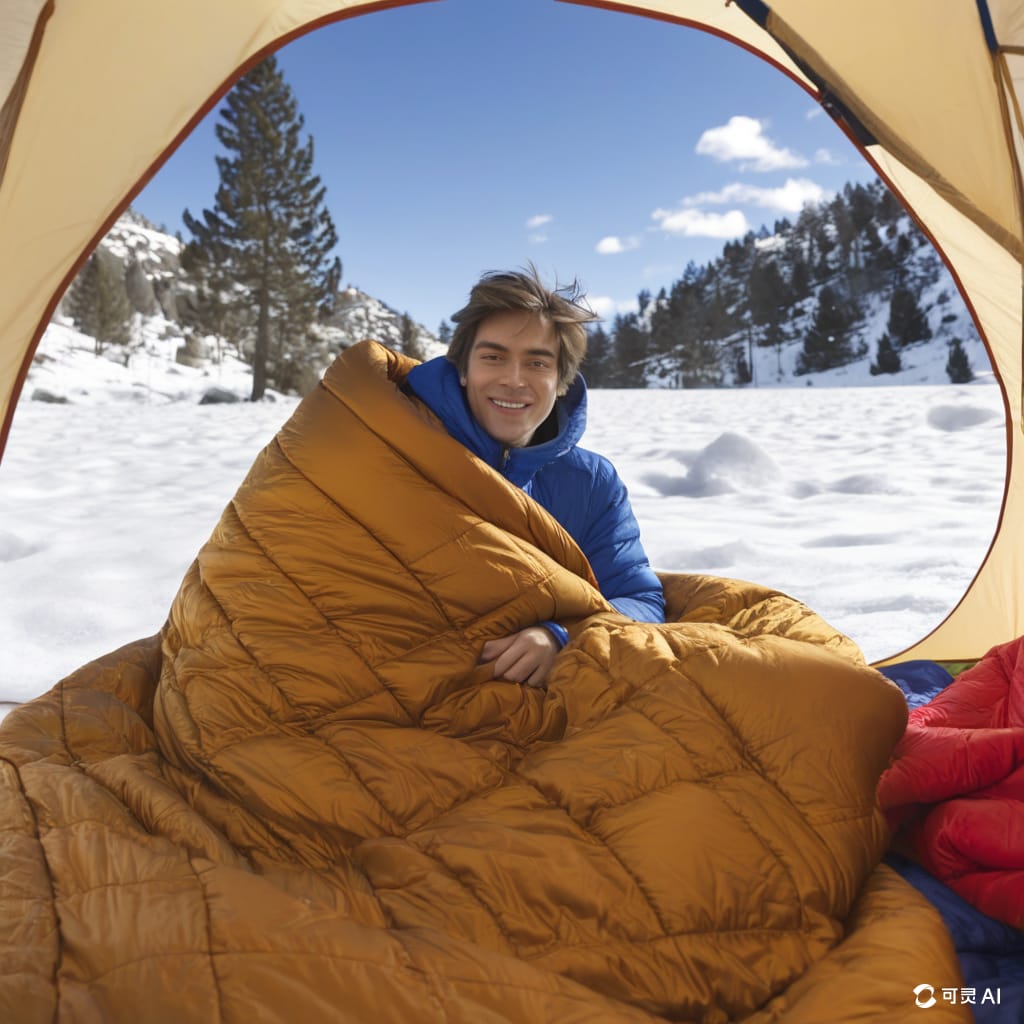
Choosing the right sleeping bag for camping can make a huge difference in your comfort and overall experience. Here are key factors to consider.
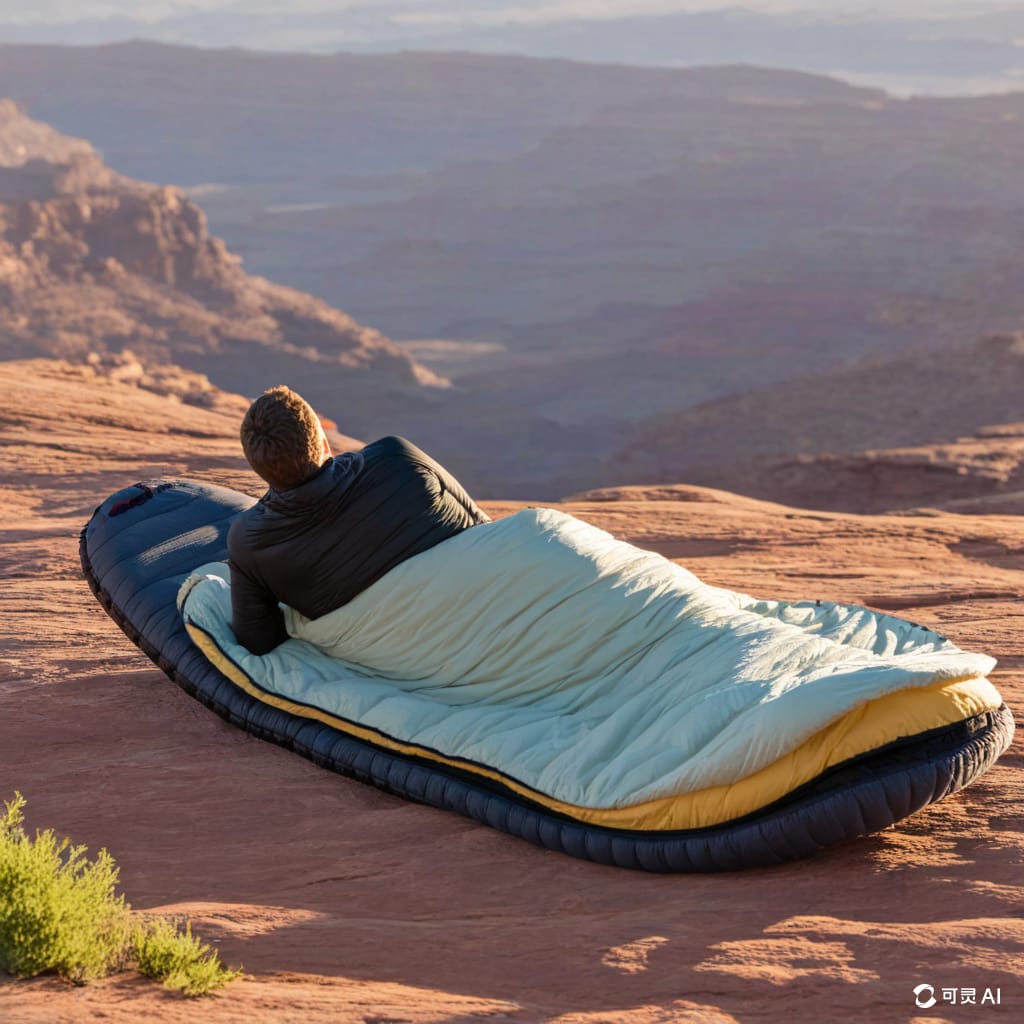
Choosing the right sleeping bag for camping makes the difference between a restful night and a miserable one. Whether you’re backpacking in the backcountry or car camping at a developed site, this sleeping bag buying guide covers everything from temperature ratings to insulation types.
1. Sleeping Bag Temperature Rating
Sleeping bag temperature ratings are the most important factor for comfort.
- Comfort Rating — The temperature at which the average sleeper can sleep comfortably. For most users, this is the rating to focus on for a good night’s rest.
- Lower Limit Rating — The minimum temperature at which the bag keeps the average warm sleeper from shivering. Comfort sleepers should avoid relying on this number.
- Extreme Rating — Survival only. Hypothermia risk below this point.
Seasonal sleeping bag guide: Summer bags are rated to 35°F/2°C and above. Three-season bags (spring to fall) range from 15°F to 30°F (-9°C to -1°C). Winter expedition bags handle 0°F (-18°C) and below.
2. Sleeping Bag Shape and Size
Mummy Bags — Tapered body with a fitted hood. Maximum warmth for minimum weight — the most efficient shape for backpacking. The hood cinches around your face to trap heat, and the narrow footbox reduces dead air space.
Rectangular Bags — Roomy and comfortable, ideal for car camping where weight and pack size aren’t concerns. Sleepers who move around at night prefer the extra space, but rectangular bags lose more body heat.
Semi-Rectangular (Barrel) Bags — A middle ground: more room than a mummy but better thermal efficiency than a rectangle. Many offer zip-open features for ventilation.
Sleeping bag sizing: Choose a length that matches your height. Bags that are too long create cold air pockets; too short forces you to compress the footbox insulation.
3. Insulation Type: Down vs Synthetic
Down Sleeping Bags — Lightest, most compressible, and highest warmth-to-weight ratio. Ideal for backpackers and cold, dry conditions. A 750+ fill power down bag packs smaller than any synthetic alternative. Performance drops significantly when wet.
Synthetic Sleeping Bags — Heavier and bulkier but maintain insulation when damp. Dry faster than down and cost less. Best for humid environments, canoe camping, and any situation where moisture is a concern.
Which is better? Down for weight-conscious backpacking in dry climates. Synthetic for wet conditions and budget-friendly options.
4. Weight and Packability
Backpackers should prioritize lightweight sleeping bags under 1.5 kg (3.3 lbs). Car campers can choose heavier, more durable bags with extra features. Check packed size — down bags compress to about half the volume of synthetic for the same warmth.
5. Shell and Lining Materials
- Shell fabric — Nylon or polyester with water-resistant treatment protects insulation from tent condensation and minor moisture.
- Lining — Soft, breathable fabrics like polyester or cotton blends provide comfort against skin. Some linings include antimicrobial treatments.
6. Additional Sleeping Bag Features
- Draft collars — Insulated tubes around the neck that seal in warmth
- Zipper baffles — Prevent heat loss through the zipper track
- Hood drawcords — Cinch the hood to your face shape
- Two-way zippers — Allow ventilation from the foot end
- Right/left zipper — Two bags can zip together for couples camping
- Storage sack vs stuff sack — Loose storage preserves loft between trips
Sleeping Bag Buying Checklist
- Match temperature rating to your coldest expected conditions
- Choose shape based on backpacking vs car camping
- Select insulation type by climate and budget
- Verify size fits your height with room for layering
- Check weight and packed size for transport needs
Need More Camping Gear Advice?
Read our hiking equipment guide for complete trip planning, or explore the layering guide for sleeping bag liner and clothing recommendations.