· Foida Team · Outdoor Gear · 3 min read
Hiking Equipment Guide
A comprehensive guide to what to wear on the trails, season by season. Learn how to layer effectively for any hiking adventure.
What to Wear Hiking: Complete Seasonal Hiking Clothing Guide
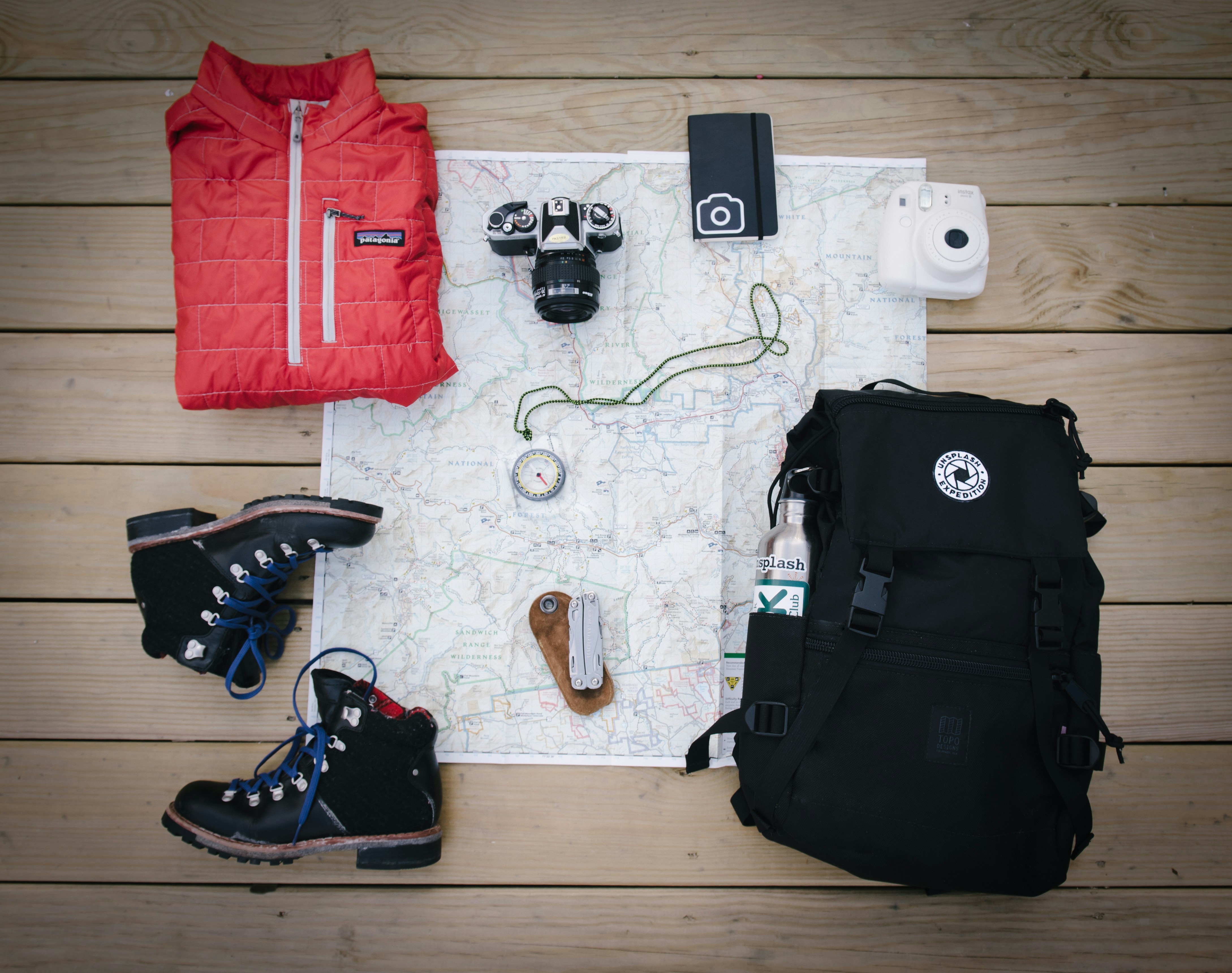
Knowing what to wear hiking can be the difference between a memorable adventure and a miserable day on the trails. The best hiking gear starts with a smart layering system — your most powerful tool for comfort in any weather. By choosing the right layers for each season, you can easily regulate temperature and protection, giving yourself an optimal outdoor experience.
Whether you’re planning a day hike or a multi-day trek, this hiking equipment guide will walk you through the best hiking clothing and gear for every season.
Fall Hiking Gear: Staying Warm and Dry
Fall hiking brings cooler temperatures and unpredictable weather. For the lower body, choose rugged hiking pants that can handle wet brush and mud. Pack waterproof rain pants as an extra barrier for sudden downpours.
For your upper body layering system, start with a long sleeve merino wool base layer for moisture management. Add a wool midlayer and a synthetic insulated jacket — both retain warmth even when damp, making them ideal fall hiking layers. Top it off with a waterproof shell jacket that includes ventilation zips for temperature regulation.
Complete your cold weather hiking outfit with lightweight gloves, a neck gaiter, and a beanie.
Winter Hiking Clothing: Maximum Warmth
Winter hiking demands serious cold weather hiking gear. Begin with thermal base layer long johns and durable shell pants. In extreme cold, add insulated shorts for extra core warmth.
On top, build your hiking layering system with a base layer, a warm midlayer fleece or wool sweater, and an insulated jacket. Down offers the best warmth-to-weight ratio for dry conditions, while synthetic insulation performs better in damp weather. Finish with a waterproof and windproof shell jacket.
Essential winter hiking accessories: waterproof gloves, a wool neck gaiter, and a fleece or wool beanie.
Spring Hiking Checklist: Breathable Layers
Spring hiking requires moisture-wicking hiking clothes that keep you warm but breathable enough to shed excess heat. Wear hiking pants with excellent breathability — not too warm, not too cold.
For your upper body, start with a short-sleeve merino base layer and add a light fleece for thermal regulation and moisture control. Pack a synthetic insulated jacket for colder moments — synthetics excel in damp spring conditions. Don’t forget hiking accessories like lightweight gloves, a breathable neck gaiter, and a cap. A packable waterproof shell completes your day hike essentials.
Summer Hiking Essentials: Light and Protective
Summer hiking calls for lightweight hiking gear. Wind-resistant, quick-drying shorts or light hiking pants offer full coverage when needed. A breathable, moisture-wicking t-shirt paired with a lightweight sun shirt or wind jacket provides UV and wind protection.
Always pack a midlayer for rest breaks when your body temperature drops, plus a packable waterproof layer for unexpected mountain weather. Top sun protection with a breathable scarf and an expedition hat.
Hiking Layering Tips
The key to comfortable hiking in any season is mastering the hiking layering system:
- Base layer: Wicks moisture away from skin
- Midlayer: Traps heat for insulation
- Outer layer: Protects from wind, rain, and snow
- Insulation layer: Added warmth for cold conditions
Need More Outdoor Gear Advice?
Explore our detailed guides on shell jackets, hiking pants, layering systems, insulated jackets, and backpacks.