· Foida Team · Outdoor Gear · 3 min read
Insulated Jacket Guide
Choose the right insulated jacket for your adventures. Understand down vs synthetic insulation and find your ideal warmth level.
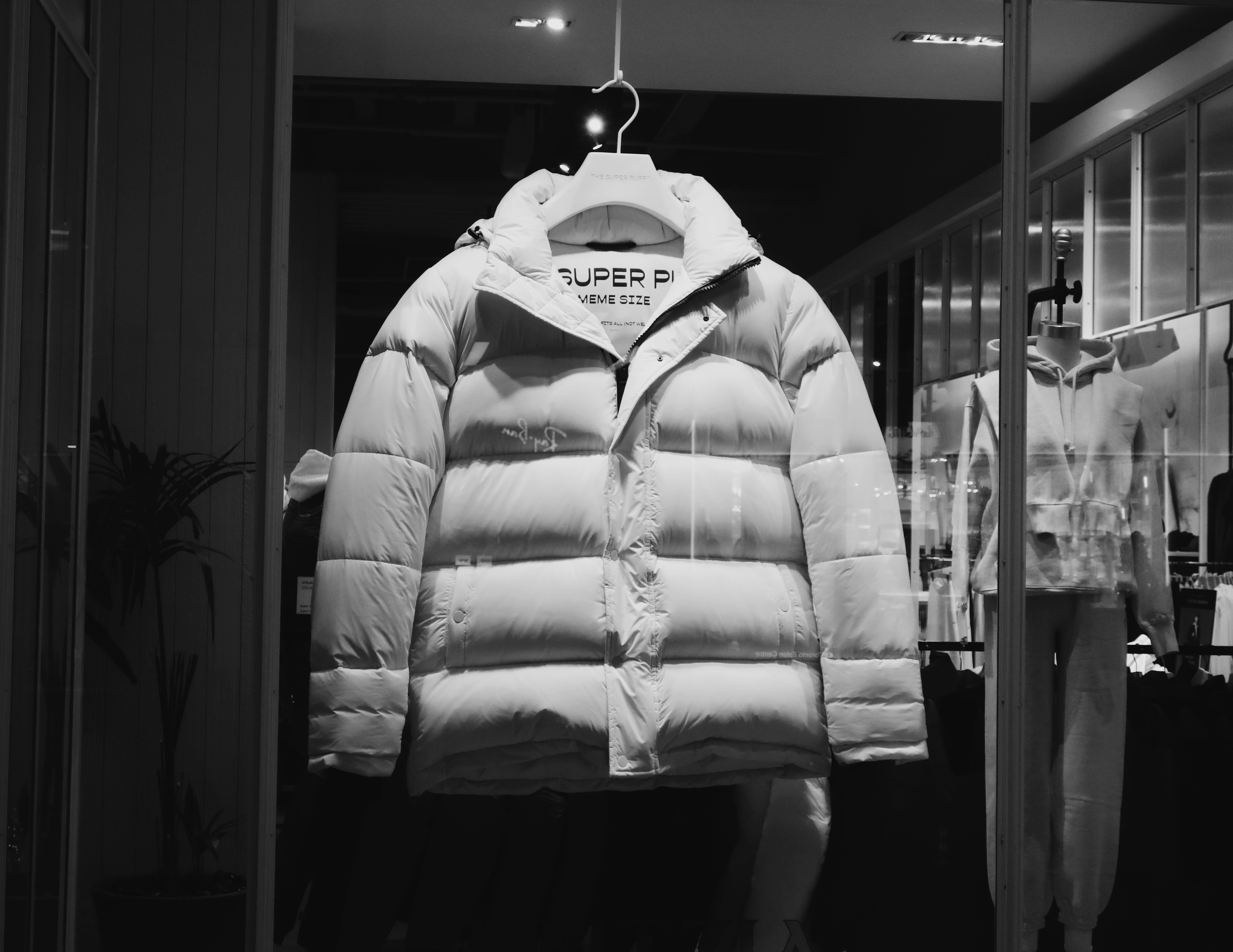
Insulated Jacket Guide: Down vs Synthetic Insulation
Choosing the right insulated jacket means understanding the tradeoffs between down and synthetic insulation. Foida insulated jackets balance warmth, weight, packability, and durability — whether you need lightweight insulation for active use or maximum warmth for extreme cold.
Down vs Synthetic Insulation
Down Insulation — Provides the best warmth-to-weight ratio of any insulation type. Highly compressible for packing, making down jackets ideal for weight-sensitive adventures. Performance suffers when wet — down loses its loft and insulating properties. Best for: cold, dry climates, backcountry skiing, alpine expeditions, and ultralight trekking.
Synthetic Insulation — Retains warmth even when damp and dries quickly. More durable and easier to care for than down. Bulkier and heavier for the same warmth level. Best for: wet climates, high-humidity environments, rainy season hiking, and all-round use where moisture is a factor.
Hybrid Insulation — Combines down in the core (where you need warmth) with synthetic in the shoulders and hood (where moisture from rain or sweat hits first). Best for: changing conditions, multi-day trips, and balanced performance across environments.
Insulated Jacket Warmth Levels
Light Insulation (40-80g fill) — Ideal for high-output activities like ski touring, trail running, and fast hiking. Breathable and flexible, designed to layer under a shell without restricting movement.
Medium Insulation (80-140g fill) — Balanced warmth for most outdoor adventures. Suitable for hiking, alpine skiing, and winter day trips. This warmth level combines comfort and versatility for general outdoor use.
Heavy Insulation (140-200g+ fill) — Maximum warmth for extreme cold or demanding expeditions. Designed for arctic conditions, high-altitude climbing, and extended periods outdoors in sub-zero temperatures.
Insulated Jacket Features to Consider
- Fill power — For down jackets, 750+ fill power indicates premium loft and warmth
- Weight — Light jackets (300-500g) for active use; heavy jackets (600-900g) for static warmth
- Packability — Down compresses smaller; synthetic requires more pack space
- Face fabric — Lightweight for saving weight; reinforced for durability against abrasion
- Hood design — Helmet-compatible for climbing; insulated hood for maximum warmth retention
Responsible Down Standard
Foida uses only RDS-certified down with minimum 750+ fill power. This ensures ethical sourcing from humanely treated birds and guarantees superior thermal performance you can trust.
How to Choose an Insulated Jacket
- Assess climate — Dry and cold = down; wet and variable = synthetic
- Match activity level — High output = light insulation; low output = heavy insulation
- Consider layering — Will it go under a shell (slim fit) or over one (relaxed fit)?
- Evaluate packability — Backpackers should prioritize compressible down jackets
Need More Winter Gear Advice?
Read our layering guide for tips on combining insulation with base layers and shells, or check our ski shells guide for outer layer protection.