· Foida Team · Outdoor Gear · 2 min read
Packing Guide
Learn how to pack your backpack for optimal comfort, weight distribution, and easy access to essentials on the trail.
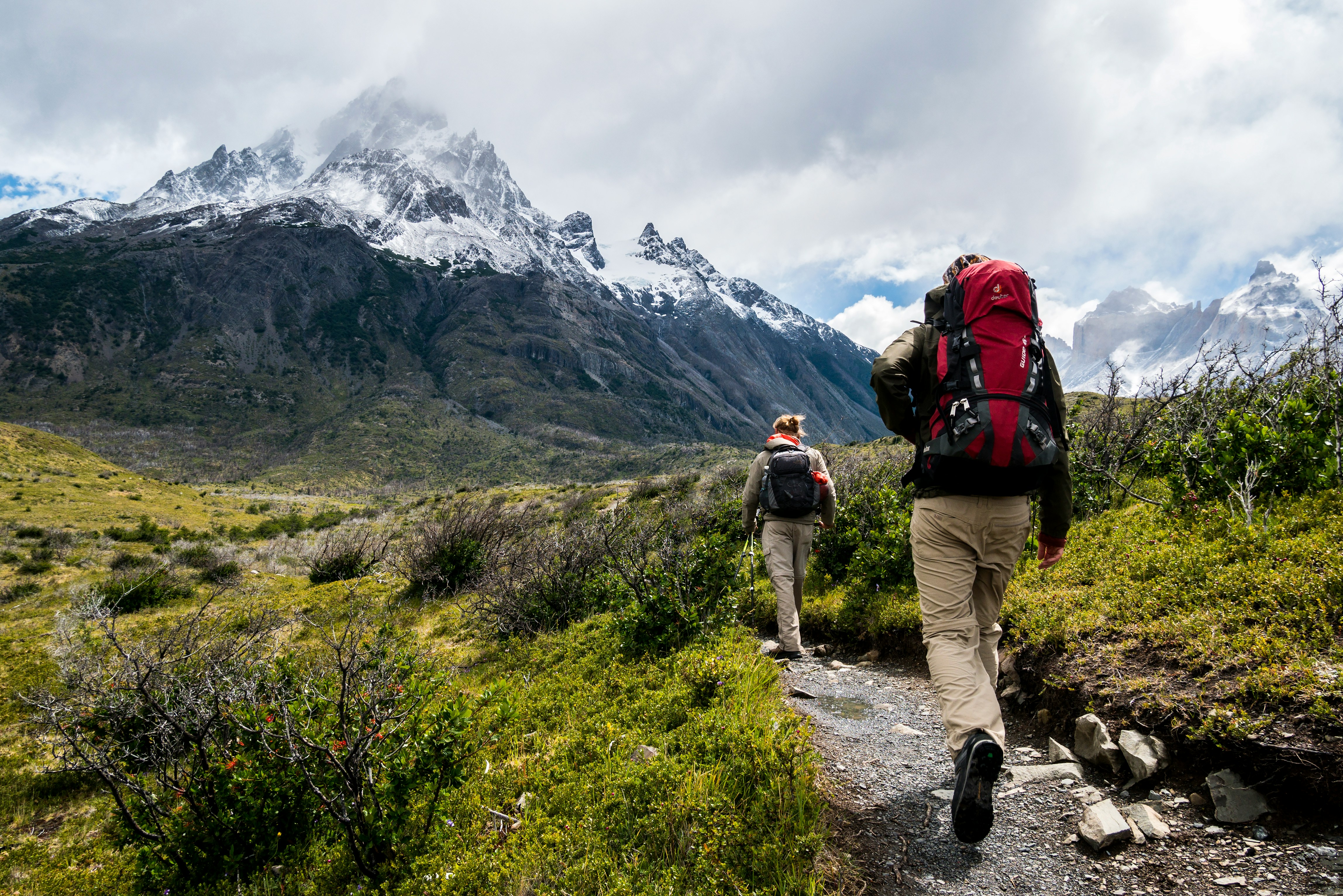
How to Pack a Backpack for Hiking: Complete Packing Guide
A well-packed backpack makes every hike more comfortable. Learning how to pack a backpack for hiking means better weight distribution, easier access to gear, and less fatigue on the trail. Whether you’re heading out for a day hike or a week-long expedition, these backpack packing tips will transform your carry.
The General Principles of Packing a Backpack
Your packing strategy changes with activity and duration, but universal rules apply:
1. Bottom Layer — Bulky, lightweight items you won’t need until camp. Sleeping bag, sleeping pad, and spare clothes go here. This creates a stable base for heavier gear above.
2. Center Back — Heavy items closest to your spine. Stove, fuel, cooking gear, and tent parts sit against the back panel, keeping weight near your center of gravity for stability.
3. Center Front — Soft, light items wrap around the heavy core. Extra layers and protective gear fill this zone, with water bottles and thermos placed toward the sides.
4. Top Layer — Items needed during the day. Rain jacket, lunch, and insulation layers belong at the top for quick access without unpacking.
5. Outside Pockets — Immediate-access essentials. First aid kit, snacks, map, bug spray, and headlamp live here — reachable even with the pack on.
6. External Attachments — Sit pads, climbing ropes, and tents can be lashed to exterior webbing loops for additional carrying capacity.
Essential Hiking Packing List
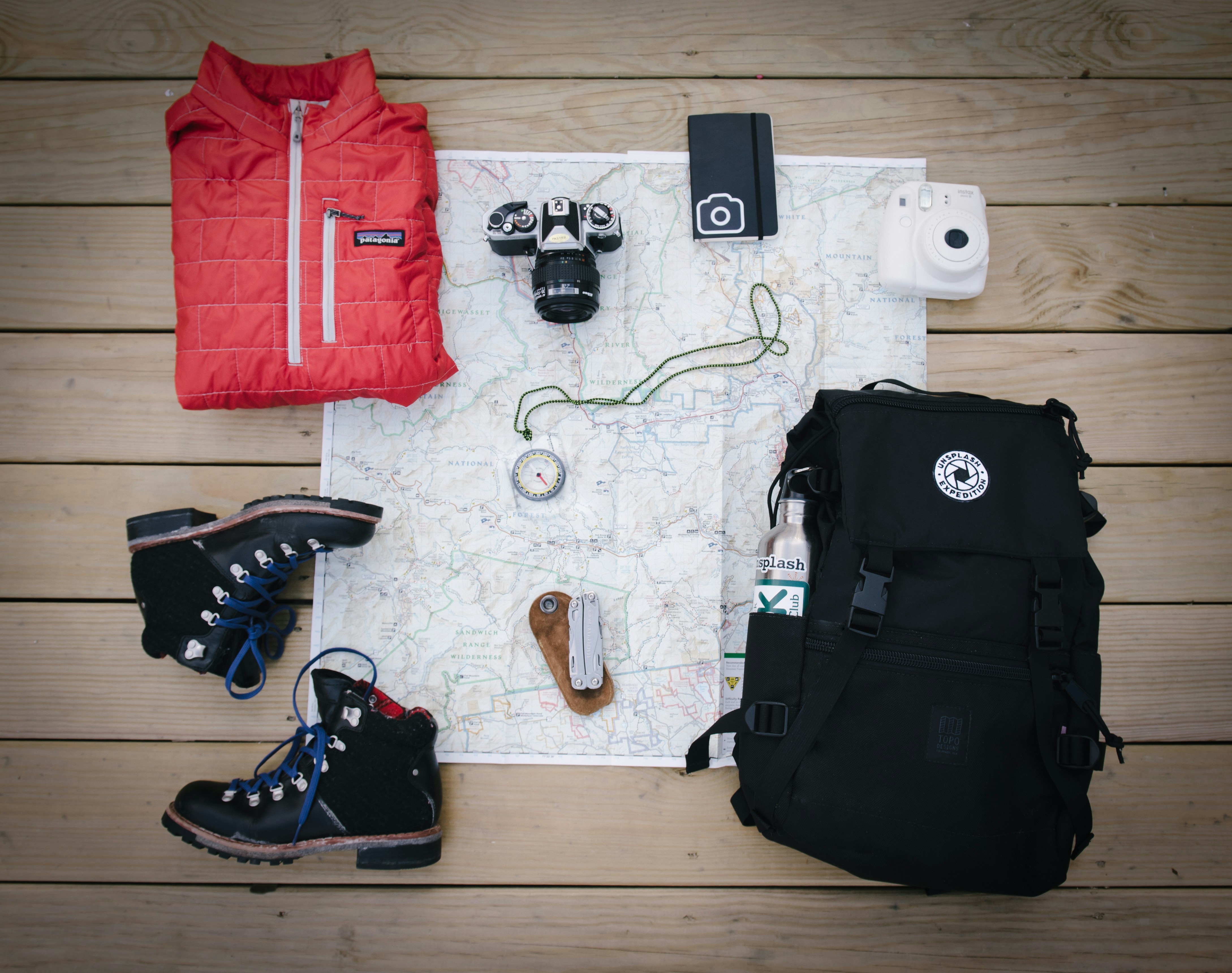
Day Hike Gear Checklist: Water (1-2L), snacks, rain jacket, first aid kit, map/compass, headlamp, sunscreen, extra insulation layer.
Multi-Day Hike Gear Checklist: Above plus sleeping bag, sleeping pad, tent, stove and fuel, extra food, water filter, cookware, repair kit.
Climbing Day Pack: Rope, harness, helmet, quickdraws, chalk bag, water, snacks, first aid kit.
Ski Touring Pack: Skis or splitboard, poles, boots, avalanche safety gear (beacon, probe, shovel), extra warm layer, water, snacks, headlamp.
Backpack Packing Tips
- Heavy in, light out — Dense items against your back, fluffy items away from it
- Compress soft gear — Use compression sacks for sleeping bags and clothing
- Distribute evenly — Balance left-to-right to avoid throwing off your stride
- Waterproof critical items — Use dry bags or pack liners for electronics and sleeping gear
- Keep frequently used items accessible — Rain gear, snacks, and maps should never require full unpacking
Need More Advice?
Learn about choosing the right hiking backpack for your trips, or explore our hiking equipment guide for complete gear recommendations.